Bring a documented model, a market need or a product idea into the conversation. We can review the configuration, branding, packaging and sample questions together, while separating existing model options from changes that need a feasibility assessment.
What to include in your project brief
Model and intended use
Tell us which published model interests you and how it will fit your product range. If you are still choosing, describe the use case and the differences you need to compare.
Market and sales channels
Share your target countries, customer type and planned channels. These details help identify the packaging, instructions, configuration and documentation questions to review for the project.
Camera, power and App questions
List the camera resolution, battery and solar requirements you want evaluated. Separate essential features from preferences, and bring App, storage or software-rights questions into the brief early.
Branding and evaluation goals
Describe your logo, appearance and packaging needs, approximate quantity and what a sample must help you assess. Your intended timing is a planning input, not a confirmed delivery schedule.
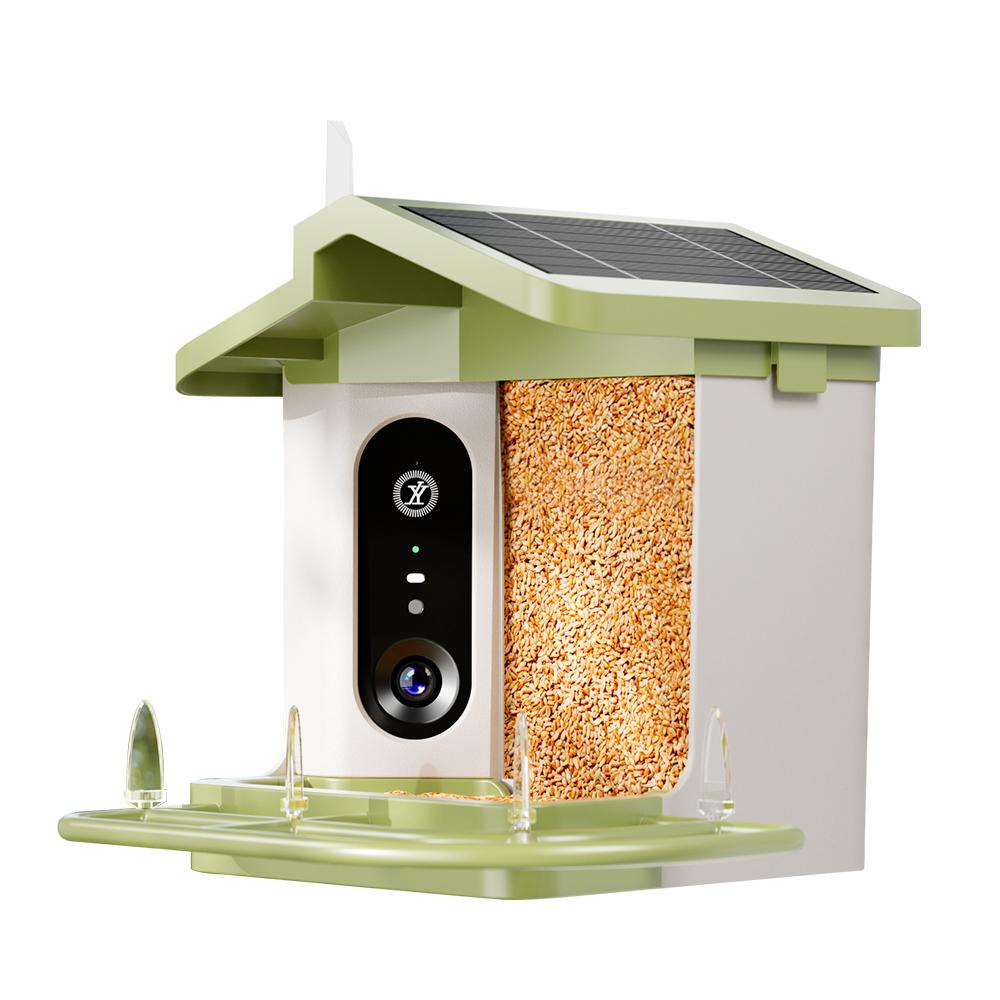
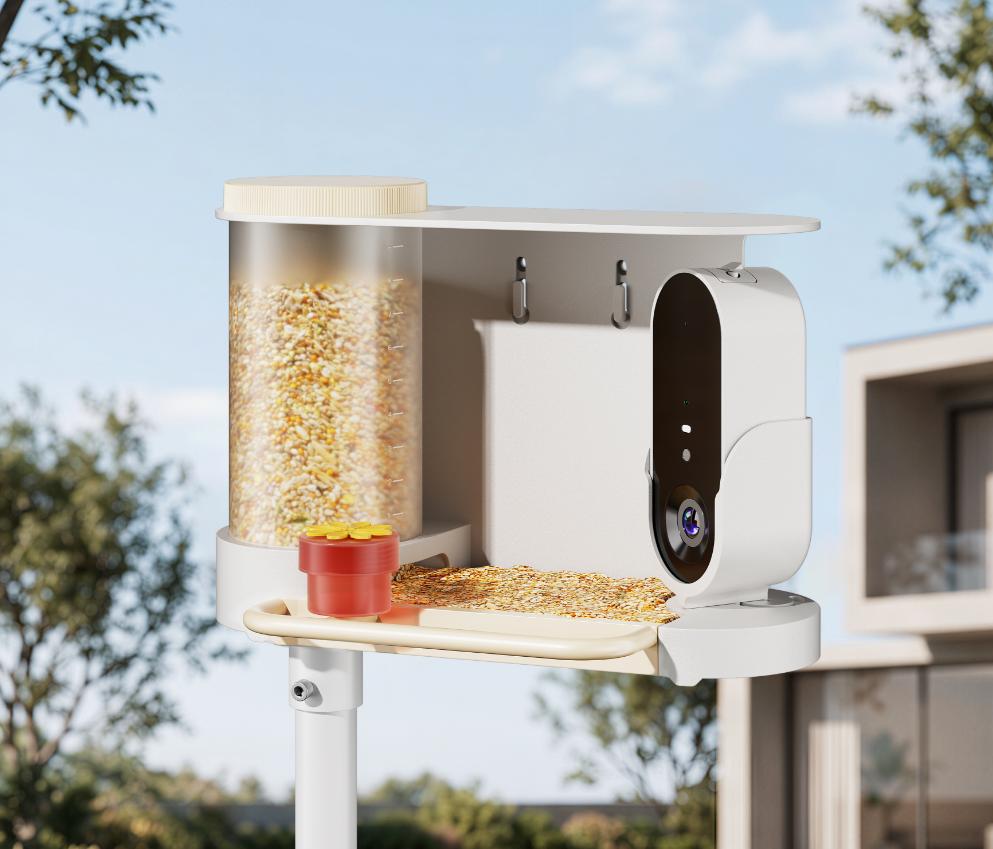
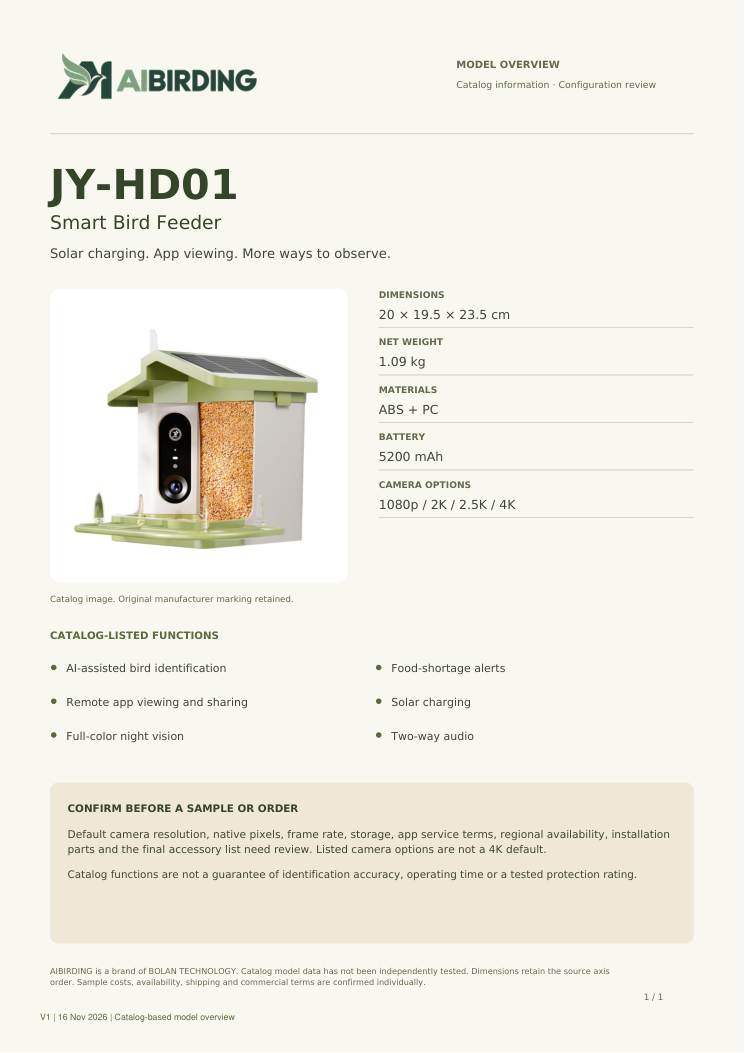
Two documented starting pointsCurrent catalog models. Configuration and branding scope are reviewed separately.
A clear configuration comes first.
A useful comparison starts with the selected model and the specification being discussed. Camera options, battery choices, order accessories and software questions need to be recorded before a quotation can be evaluated.
Resolution options include 1080p, 2K, 2.5K and 4K; they are not a statement that 4K is standard. JY-HD06 has a manually adjustable camera, not a motorized pan-and-tilt system.
The App name is AIBIRDING. White-label software, API access, storage regions and service rights require a separate review.
Describe the changes you would like evaluated. We will use the brief to identify feasibility, prototype, tooling and software questions before any development scope or commercial commitment is agreed.
Start with your target market, intended customer and model interest. Explain the quantity range, features and evaluation goals that matter to the project, so the first review has a clear basis.
02
Review the configuration
Separate published model information from options and requested changes. Identify branding, packaging and software questions, then record the points that need technical, commercial or documentation confirmation.
03
Evaluate the sample
Agree what the sample will represent and the arrangements for providing it. Review the physical product, the selected configuration and the current software experience against your team's evaluation brief.
04
Confirm the order plan
Record the approved specification, artwork, packaging and required documents before production planning. Quantities, costs, timing, inspection and delivery arrangements are confirmed for the individual project.
Use the documented model information to identify the configuration you want evaluated. Confirm the camera option, power requirements and included components before treating different proposals as like-for-like comparisons.
Set a practical evaluation goal and agree the sample configuration. Product appearance, installation, software questions and any requested changes should be reviewed before an order basis is approved.
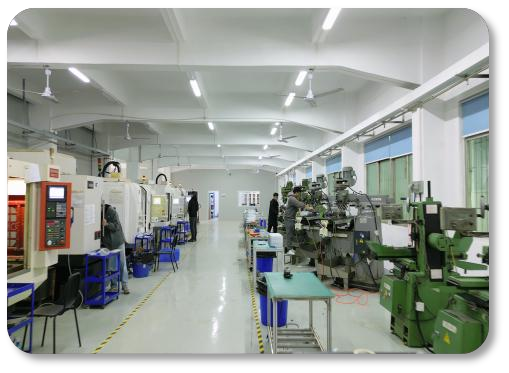
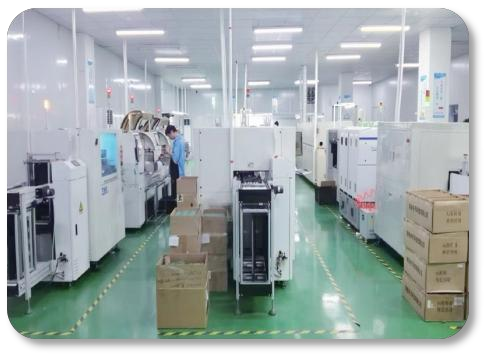
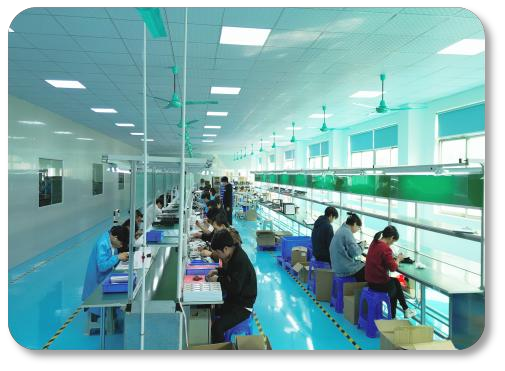
Review the company and factory information alongside the requirements of your project. The available catalog scenes provide context; they do not replace model-specific documents or an independently agreed factory assessment.
Bring your brand assets, preferred appearance and packaging brief. Available methods, artwork placement, materials, instructions and any market-specific content are assessed for the selected model and quantity, rather than assumed to be included.
Make the approved specification and project responsibilities clear before production is scheduled. Required checks, documentation, packing and delivery arrangements are reviewed with the commercial terms for the order. No universal lead time is promised here.
Start with a non-sensitive project summary. If further review requires confidential material, request an NDA discussion before sending it. An enquiry checkbox is a request for review, not a signed agreement.
Request an NDA review
Identify the information that needs a separate agreement and ask for the appropriate review.
Start with the essentials
Share the use case, model interest and key questions before detailed proprietary files.
Agree the document scope
Clarify the drawings, artwork or specifications needed for the next project decision.
Confirm the channel
Agree how sensitive documents will be shared once the appropriate arrangements are in place.
Share sensitive files only after the appropriate arrangements are agreed.
Project-information planning guide
Questions before you begin
Order scope & quantities
The selected model, configuration, branding work and packaging scope all affect the commercial review. Share an approximate quantity and your intended channel, even if the plan is still developing. Minimum quantities and pricing need to be confirmed for the actual project rather than inferred from a general product page.
Sample & production timing
A sample evaluation and a production order are separate stages. Tell us what needs to be evaluated and your intended timing. Availability, sample arrangements, review work and production planning are confirmed individually; this page does not create a fixed sample price, refund policy or delivery deadline.
Changes to configuration, appearance, packaging or software requirements can alter the agreed scope. Keep a written record of the approved reference and describe proposed changes before proceeding. Questions about software rights, service terms and required documents should remain visible in the project discussion.